Optimize Building Security with RainierGPR Concrete Scanning Solutions
The Relevance of Specific Concrete Scanning in Finding Underground Hazards
The capacity to precisely detect and map these underground dangers is not merely an issue of benefit yet an important element of ensuring the security of both building employees and the integrity of the job itself. By deploying innovative scanning technologies and methodologies, professionals can reveal surprise dangers, stop pricey problems, and ultimately lead the method for smoother and more secure construction endeavors.
Advanced Scanning Technologies for Discovery
Sophisticated radar systems are changing the area of underground detection by providing unrivaled precision and performance. These sophisticated scanning technologies utilize ground-penetrating radar (GPR) to develop comprehensive pictures of subsurface structures, using insights into what exists below the surface area with impressive clearness. By emitting high-frequency pulses into the ground and determining the reflections, radar systems can determine variations in product composition and spot underground risks such as spaces, cable televisions, and pipelines.
Among the essential benefits of these sophisticated radar systems is their non-invasive nature, permitting comprehensive inspections without creating damage to the existing structures. This not just makes sure the security of the surrounding setting however also reduces the demand for costly repairs or disturbances to continuous construction tasks. Furthermore, the real-time information supplied by these scanning innovations allows quick decision-making and improves total project effectiveness.
Significance of Subsurface Mapping
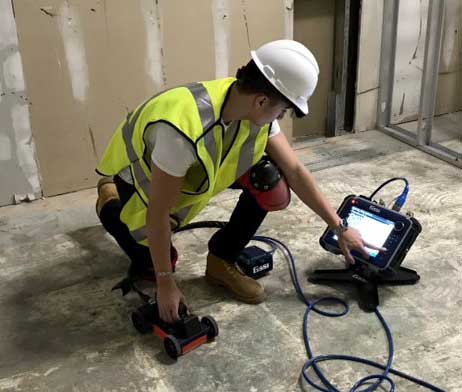
Precise subsurface mapping aids in preventing pricey damages to existing underground framework, minimizing the threat of crashes, and preserving task timelines. It allows job managers to make enlightened choices relating to website planning, devices release, and resource allowance. In addition, subsurface mapping enables for much better coordination among different teams working on a task and aids in following regulative needs associated to below ground utility discovery.
Mitigating Dangers in Building Jobs
Reliable risk reduction strategies are necessary for ensuring the success and security of building and construction projects. One crucial aspect of mitigating dangers in building and construction projects is complete preparation and assessment at the preliminary phases.
Additionally, developing clear interaction networks amongst all job stakeholders and making sure stringent adherence to security procedures are important components of risk mitigation. By proactively implementing robust risk reduction approaches, building and construction projects can reduce delays, expense overruns, and safety and security incidents, ultimately leading to successful project results.
Preventing Pricey Damages and Delays
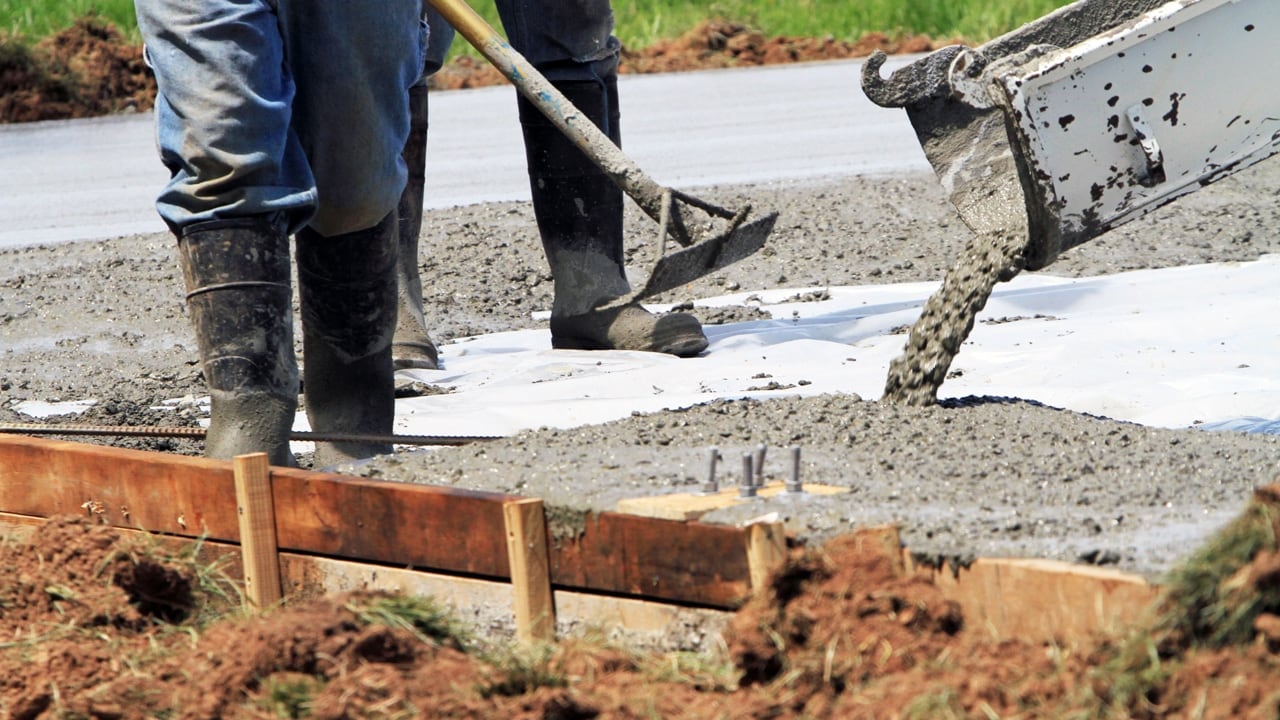
To minimize monetary losses and task obstacles, effective methods must be carried out to avoid pricey damages and delays in building and construction projects. One vital way to accomplish this is by conducting complete concrete scanning before any type of excavation job begins. By using innovative scanning innovations such as ground-penetrating radar (GPR) and electro-magnetic induction, building groups can accurately discover below ground hazards like rebar, channels, and various other energies. Recognizing these obstructions beforehand helps in preparing the project layout more efficiently and avoiding potential problems throughout excavation.
Additionally, investing in training programs for construction employees on the value of concrete scanning and risk-free excavation practices can considerably reduce the threat of delays and mishaps. Clear communication channels in between job managers, designers, and on-site employees are also necessary to guarantee that everyone understands the possible risks and follows the necessary methods to stop costly problems. By prioritizing aggressive actions like concrete scanning and advertising a society of safety and security and awareness, building and construction jobs can decrease the economic impact of unforeseen below ground obstructions and prevent expensive hold-ups.
Ensuring Security of On-Site Personnel
By focusing on positive steps such as extensive training programs and clear communication networks, building projects can make sure the security of on-site employees in the middle of the potential hazards spotted with concrete scanning. Appropriate training equips employees check this site out with the expertise and abilities required to navigate building and construction sites securely, especially when threats are recognized via scanning processes. Training must cover click to find out more threat recognition, emergency situation treatments, and the proper usage of personal safety tools to reduce risks properly.
Furthermore, establishing clear communication channels is important for distributing details about recognized dangers without delay. This makes sure that all on-site workers recognize possible dangers and can take required safety measures to prevent accidents. Regular safety and security instructions, tool kit talks, and constant updates relating to scanning results help keep everybody informed and positive in maintaining a secure functioning environment.
Additionally, executing rigorous adherence to security procedures and guidelines, carrying out routine safety audits, and fostering a society of safety and security awareness amongst workers are crucial parts in making sure the well-being of on-site workers throughout building and construction tasks - RainierGPR Concrete Scanning. Proactive precaution not just safeguard workers from injury but also contribute to the total success and effectiveness of the job
Conclusion
In conclusion, accurate concrete scanning plays an important role in finding underground hazards. Making use of sophisticated scanning technologies and subsurface mapping helps alleviate dangers in building and construction tasks, avoiding costly problems and delays. By guaranteeing the security of on-site employees, precise scanning can considerably boost the efficiency and success of construction operations. It is important for building and construction companies to focus on the usage of precise scanning techniques to decrease prospective risks and ensure a smooth building process.

By proactively applying durable danger mitigation approaches, building and construction tasks can minimize hold-ups, price overruns, and safety and security events, ultimately leading to successful task outcomes. Learn More - RainierGPR Concrete Scanning
To minimize monetary losses and project problems, efficient techniques have to be applied to avoid costly problems and delays in building jobs. By focusing on proactive procedures like concrete scanning and advertising a society of security and recognition, building projects can decrease the economic impact of unforeseen underground blockages and prevent expensive delays.
By focusing on proactive measures such as detailed training programs and clear interaction channels, building and construction jobs can guarantee the safety and security of on-site personnel amidst the potential hazards spotted via concrete scanning. Utilizing sophisticated scanning technologies and subsurface mapping helps reduce threats in building projects, stopping costly damages and delays.